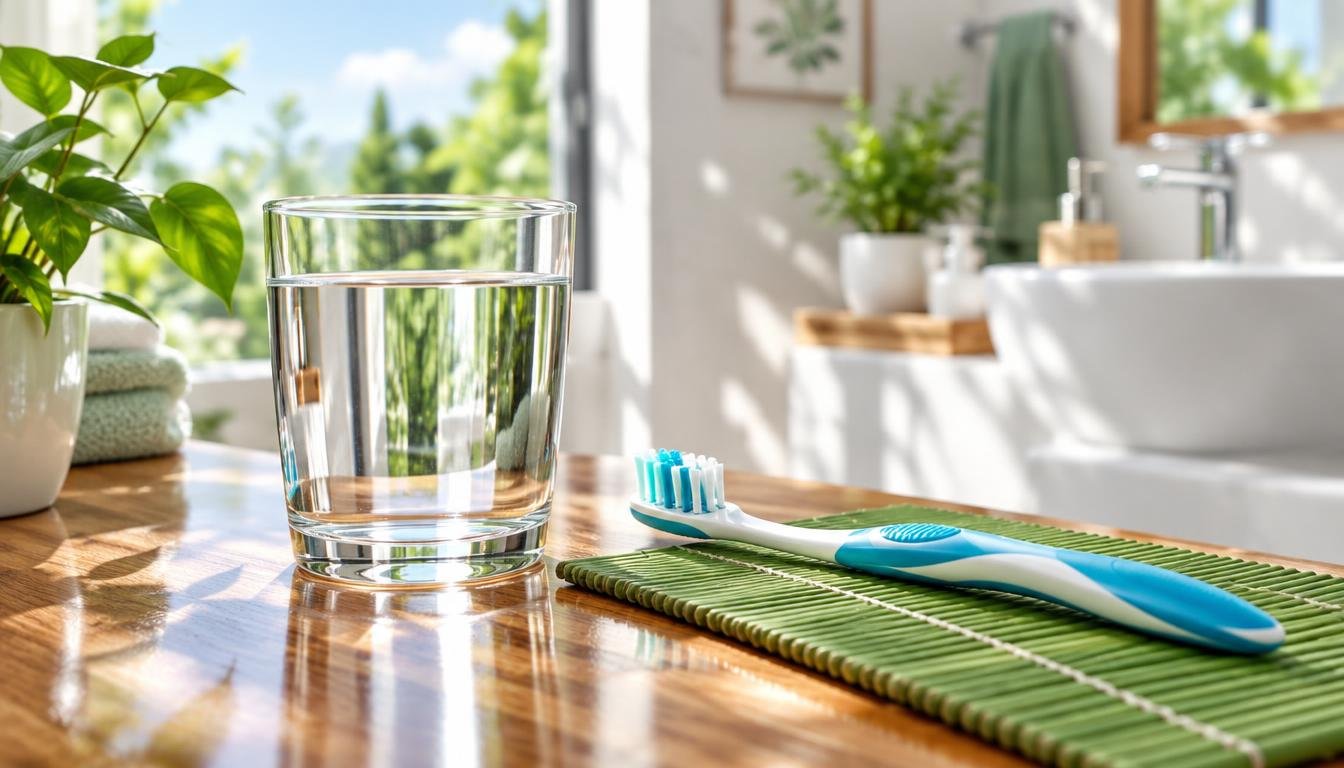
What you eat can support a healthy mouth, especially when you choose foods that help saliva flow and provide minerals. Free sugars are sugars added by manufacturers, cooks, or consumers, plus sugars naturally present in honey, syrups, and fruit juices. The right choices can support your teeth, gums, and overall health, but they cannot replace oral hygiene. Here are ten practical picks, from water and dairy to produce, nuts, fish, tea, and other low-sugar choices. Keep food choices in perspective: brushing, cleaning between teeth, and regular dental care remain essential.
Key Takeaways
- Choose low-sugar foods and drinks that support saliva flow and provide key nutrients.
- Whole, fibrous produce offers chewing benefits that juice does not.
- Food choices support oral health, but do not remove plaque like brushing does.
- Limit frequent sugary or acidic drinks and snacks.
- Brush with fluoride toothpaste and clean between teeth every day.
10 Best Foods for Healthy Teeth and Strong Gums
Fluoridated water is the simplest everyday pick, while plain dairy is a practical choice for calcium and phosphates. Small daily choices can support healthy teeth and gums without adding much effort. A varied diet also gives your body nutrients that support general health.
Choose unsweetened options most often, and make water your usual drink. Dairy and calcium-rich alternatives supply minerals; crunchy produce encourages chewing and saliva. These foods support teeth, but no single food prevents tooth decay.
Choose low-sugar foods and drinks often, and make water your usual drink.
Group one: everyday picks
- Fluoridated water provides fluoride, which helps protect teeth. Drink tap water when it contains fluoride, or check bottled-water labels.
- Milk, cheese, and plain yogurt provide calcium and phosphates that help replace minerals lost from teeth. Cheese also stimulates saliva.
- Apples, carrots, and celery take chewing. Their fiber can increase saliva and help clear food particles from teeth and gums.
- Spinach, kale, and other dark leafy greens provide calcium and other nutrients. Add them to meals or blend them into a savory dish.
- Almonds and other unsweetened nuts offer calcium and a low-sugar snack. Choose plain varieties rather than sweetened or candy-coated nuts.
Group two: more useful choices
- Salmon, including canned salmon, is a calcium-rich choice when you eat the soft bones. It also provides protein for a balanced diet.
- Unsweetened green or black tea contains polyphenols. These plant compounds may inhibit plaque bacteria and limit their growth or acid production.
- Strawberries, bell peppers, and other vitamin C-rich whole produce support a varied diet. Whole produce also takes more chewing than juice.
- Fresh cranberries may disrupt plaque formation. Some dried cranberry products contain added sugars, so check the package before choosing them.
- Raisins contain oleanolic acid, which inhibited bacteria linked with cavities and periodontal disease in one study. That finding does not make raisins a cavity treatment.
Other calcium-rich choices include fortified soy drinks and tofu. A varied mix of fruits, vegetables, dairy, and unsweetened alternatives can fit different diets. Fresh apples and other hard, fibrous fruits may increase saliva and help clean teeth; sugary apple juice may contribute to tooth decay. Raw pears may help neutralize acids in the mouth.
Cheese, milk, plain yogurt, fortified soy drinks, tofu, canned salmon, almonds, and dark leafy greens all provide calcium. Choose the forms you enjoy and can eat regularly. Choose whole fruit over juice when you want the chewing and saliva benefits without making a sugary drink your routine.
How Food Choices Affect Tooth Enamel and Gums
Tooth decay begins when plaque bacteria turn sugars or starches into acids that repeatedly attack enamel. Repeated exposure matters because tooth enamel faces another acid attack each time these foods meet plaque. A healthy mouth needs time between these attacks.
Frequent acid attacks can break down enamel and lead to tooth decay. Saliva helps wash away food particles and supports the return of minerals to teeth. Food choices can support oral health, but they cannot do all the work of cleaning.
How Plaque and Acid Attacks Form
Plaque is the sticky layer of bacteria that builds up on teeth. When you eat or drink sugars or starches, plaque bacteria use them to make acids.
Those acids can attack tooth enamel after eating. Enamel is the hard outer layer of a tooth, and repeated attacks can wear it down over time.
Once enamel breaks down, tooth decay can develop. This process is one reason frequent sugary or starchy exposures can be harder on teeth than having them less often.
Which Foods Support Teeth, and Which Work Against Them?
Fibrous produce, dairy, and water can support healthy teeth. Crunchy foods and chewing stimulate saliva, which helps wash away food particles and plaque-causing bacteria.
Sugary foods and starchy snacks can feed the acid cycle, especially when you eat them often. A food’s texture does not make it a cleaning tool, even if it feels firm or crisp.
Crunchy food does not scrape away all plaque or clean the spaces between teeth. Brushing and interdental cleaning reach areas food cannot reliably clean.
People often ask for the best and worst foods for teeth or what foods cause plaque on teeth. Sugars and starches can feed plaque bacteria, while fibrous foods help saliva flow. A food’s texture can encourage saliva, but only brushing and interdental cleaning remove plaque reliably.
Which Foods and Drinks Increase Tooth Decay Risk?
The biggest everyday concern is repeated exposure to sugary or starchy foods and drinks, especially when they linger on teeth. How often you eat them matters, along with how long they stay in your mouth. Sticky sweets and frequent snacks can extend that exposure.
Limit sugary drinks and snacks, and avoid frequent grazing. The American Dental Association (ADA) links sugar intake with tooth decay and advises a healthy diet that limits sugary beverages and snacks.
These common choices can leave sugars or food pieces in contact with teeth:
- Sticky sweets that remain in the mouth longer
- Biscuits, soft bread, and chips that can leave food residues
- Soda and other sweet drinks sipped throughout the day
- Repeated sweet snacks between meals
| Food or drink | Why it may harm teeth | Practical choice |
|---|---|---|
| Caramels or lollipops | Sticky sweets can stay in the mouth longer. | Choose sweets that clear the mouth quickly, and have them with a meal. |
| Biscuits | Sugary or starchy biscuits can feed plaque bacteria. | Eat them with a meal instead of grazing. |
| Bread or chips | Soft bread and chips can get trapped between teeth. | Limit frequent snacks and clean between teeth daily. |
| Soda | Sugar feeds decay, while acids can wear away enamel. | Choose water as your routine drink. |
| Frequent sugary snacks | Repeated exposure creates more chances for acid attacks. | Keep sweets with meals rather than eating them often. |
Sticky Sweets, Biscuits, and Starchy Snacks
Caramels and lollipops may stay in your mouth longer than sweets that clear quickly. Biscuits can raise tooth decay risk when they contain sugar or starch. Bread and potato chips can also leave residues between teeth.
Dates are dried fruit, and their sticky texture and concentrated sugars make them a snack to eat thoughtfully. They are not uniquely harmful, but portion size and frequency matter.
Sugary Drinks and Free Sugars
Added sugars are sugars added to food or drinks by manufacturers, cooks, or consumers. Free sugars also include sugars naturally present in honey, syrups, and fruit juice.
The World Health Organization advises keeping free sugars below 10% of total energy, with less than 5% as the preferred goal. Children under age two should not consume sugar-sweetened beverages.
Carbonated soft drinks are a leading source of added sugar among children and teens. Many also contain phosphoric or citric acid, which can wear away enamel, even when a drink has no sugar.
The 2025-2030 U.S. Dietary Guidelines recommend no added sugars. If you consume added sugars, the guidelines recommend no more than 10 grams in one meal.
Check ingredient lists for sugar, syrup, and ingredients ending in “-ose.” Then compare the serving’s added-sugar amount with your overall eating pattern.
Which Vitamins and Nutrients Support Teeth and Gums?
Vitamin C supports healthy gum tissue, but no single vitamin has been shown to replace dental treatment or daily care. Getting enough key nutrients supports your body, while extra supplements are not proven cures for gum disease.
Vitamin C deficiency can cause gum problems, including gingivitis and periodontitis. The ADA notes little evidence that micronutrients change the risk of tooth decay or periodontal disease.
Vitamin C and Gum Tissue
Vitamin C supports healthy gums and wound healing. A severe lack can cause gum problems, including gingivitis and periodontitis.
Eating foods with vitamin C helps meet your nutrient needs. Taking extra vitamin C has not been shown to treat gum disease, so do not use it instead of dental care.
If your gums bleed, swell, or feel sore, a dental exam can help find the cause. Low vitamin levels are only one possible part of a person’s health picture.
Vitamin D, Calcium, and Other Nutrients
Calcium and phosphorus help support tooth enamel, while vitamin A also has a role in enamel health. A balanced diet can provide these nutrients along with protein needed throughout the body.
Research has linked low vitamin B12 levels with periodontitis and a higher risk of tooth loss. Studies have also linked higher vitamin D levels with lower risks of gum disease and tooth loss.
These links are associations, not proof that supplements prevent or cure disease. Evidence for a direct effect of vitamin A on periodontitis remains limited.
Findings on vitamin E and gum health are mixed. Some research found no significant link, while other research suggested a possible benefit when supplements accompanied standard periodontal treatment.
What foods rebuild gums? No food regrows gum tissue that has already been lost. Nutrient-rich foods can support general tissue health, but gum recession needs dental assessment.
Supplements can interact with medicines or cause harm at high doses. Discuss them with a clinician, especially if you suspect a deficiency or take medication.
Choose varied foods first, and ask a clinician before using supplements to address a suspected deficiency.
How to Build a Tooth-Friendly Daily Diet
A simple timing rule is to have sugary foods with meals rather than nibbling on them throughout the day. Meal timing can help limit repeated acid exposure, while saliva rises during meals and helps rinse away food pieces.
Keep between-meal snacks limited and choose water as your routine drink. A steady pattern can support oral health without asking you to avoid every sweet food.
Put Sugary Foods with Meals
Having a sweet food with a meal is preferable to grazing on it over several hours. More saliva during meals helps reduce acid effects and rinse away food particles.
Limit between-meal snacks when you can. If you eat dates, treat the sticky dried fruit as a sugary snack and have it with a meal rather than repeatedly between meals.
Nutritious snacks can fit when you are hungry between meals. The practical aim is to avoid frequent contact with sugary or starchy foods, not to make a balanced diet rigid.
Choose Drinks and Snacks That Support Saliva
Water is a better routine drink than soda. Fluoridated drinking water helps protect teeth, and foods or drinks made with it can also provide fluoride.
Bottled water does not always contain fluoride, so check the label. Sugar-free gum can stimulate saliva and help remove food particles, but it does not replace brushing.
The worst drinks for teeth are frequent sugary or acidic drinks, including soda. Even sugar-free acidic drinks can wear away tooth enamel with repeated exposure.
| Choice | Oral-health contribution or concern | Practical use |
|---|---|---|
| Fluoridated water | Provides fluoride that helps protect teeth. | Make it your regular drink when available. |
| Milk | Provides calcium and phosphates. | Choose plain milk with meals or snacks. |
| Unsweetened tea | Contains polyphenols without added sugar. | Drink it plain rather than sweetened. |
| Soda | Sugar and acids can harm teeth. | Limit it, and avoid sipping it often. |
| Sugarless gum | Stimulates saliva and helps clear food particles. | Chew after eating when suitable for you. |
Fluoride can come from drinking water and from foods or drinks made with fluoridated water. A bottled-water label can help you check its fluoride content.
Some sugar-free gum carries the ADA Seal of Acceptance and may help counter acidity. Choose sugarless gum, not gum with added sugar, when you want to boost saliva production after eating.
After a snack, water is a practical first choice, and sugarless gum can help stimulate saliva when appropriate.
Care for Receding Gums and Exposed Roots
Receded gum tissue does not grow back because of a food or toothpaste, but exposed roots can still be protected. Protection matters because exposed root surfaces can face decay and sensitivity.
Fluoride toothpaste can help protect exposed roots from decay. Toothpaste with certain ingredients may also ease discomfort, but it cannot reverse gum recession.
What Food Can and Cannot Do for Gum Recession
Food cannot regrow receded gum tissue. Nutrient-rich foods support general health, but they cannot restore tissue that has already been lost.
Gum recession can have different causes, and persistent sensitivity deserves attention. Arrange a dental evaluation if you notice recession or ongoing discomfort.
A dentist can assess the gum, exposed tooth root, and possible cause. That check matters when the change is new or getting worse.
Choosing Toothpaste for Sensitive Exposed Roots
Fluoride toothpaste helps protect exposed roots from tooth decay. Potassium-based ingredients or stannous fluoride may help manage sensitivity.
These products may reduce discomfort, but they do not regrow gum tissue or treat every cause of pain. Use a soft brush and gentle pressure to avoid adding irritation.
Ask a dentist to assess new or worsening recession before relying on a sensitivity product alone.
Daily Oral Hygiene for Healthy Teeth and Gums
A reliable routine is brushing twice daily for two minutes with fluoride toothpaste and cleaning between teeth every day. Consistency counts more than choosing a costly brush or a complicated routine.
Brush twice a day for two minutes, then clean between your teeth daily. This routine helps control plaque and supports healthy teeth and gums.
Brush twice daily for two minutes with fluoride toothpaste, and clean between teeth every day.
Brush Twice a Day with Fluoride Toothpaste
The ADA recommends brushing twice a day for two minutes with fluoride toothpaste. Use a soft-bristled brush and gentle pressure to reduce the risk of gum injury.
A manual or powered toothbrush can work well. Choose the one you can use comfortably and regularly, and guide it gently along every tooth surface.
Two minutes of brushing is linked with more plaque reduction than one minute. That finding measures plaque, not direct changes in tooth decay or gingivitis.
Studies of children and teens found that over-the-counter fluoride toothpaste prevented 16% per tooth to 31% per surface of caries compared with placebo or no toothpaste.
Brushing twice daily, rather than less often, is supported by evidence for reducing risks of tooth decay, gum recession, or periodontitis. The ADA brushing recommendation is twice daily for two minutes.
Clean Between Teeth and Replace Your Toothbrush
Clean between teeth every day. Plaque and food particles can collect where a toothbrush cannot reach.
Floss is one option, but small interdental brushes or other tools may suit some mouths better. The best method is the one you will use consistently.
Replace a toothbrush every three to four months, or sooner if its bristles look matted or frayed. Worn bristles may not clean as well.
What to Do About the 3-3-3 Rule
The 3-3-3 rule is an informal mnemonic: brush three times a day for three minutes and see a dentist every three months. It is not the ADA’s stated brushing recommendation.
The ADA recommends brushing twice a day for two minutes. Your dentist can set a visit schedule that fits your oral health needs.
Use this short checklist to keep the routine easy to remember:
- Brush twice daily.
- Use fluoride toothpaste.
- Clean between teeth daily.
- Replace a worn toothbrush on time.
If gum bleeding, sensitivity, or recession persists, arrange a dental assessment rather than increasing brushing pressure.
Conclusion
You do not need a perfect diet to make a more tooth-friendly choice today. A varied, lower-sugar diet can support teeth and gums, but daily fluoride brushing and interdental cleaning remain central to oral hygiene.
Pick one change that feels realistic, such as replacing a sweet drink with water or choosing a less sugary snack. Small choices are easier to keep when they fit your normal meals and routine.
Persistent bleeding, sensitivity, pain, or recession deserves a dental assessment. Choose one change you can keep, and contact a dental professional if a tooth or gum problem persists.